IBS Doesn't Have to
Control Your Life.
If you've been managing bloating, abdominal pain, urgency, or unpredictable bowels for months — and medication alone isn't giving you lasting relief — there's a structured, drug-free path worth considering. Our 6-week IBS Support Program combines acupuncture, personalised dietary guidance, and therapeutic yoga to address the condition from multiple angles at once.
Book a Free Consultation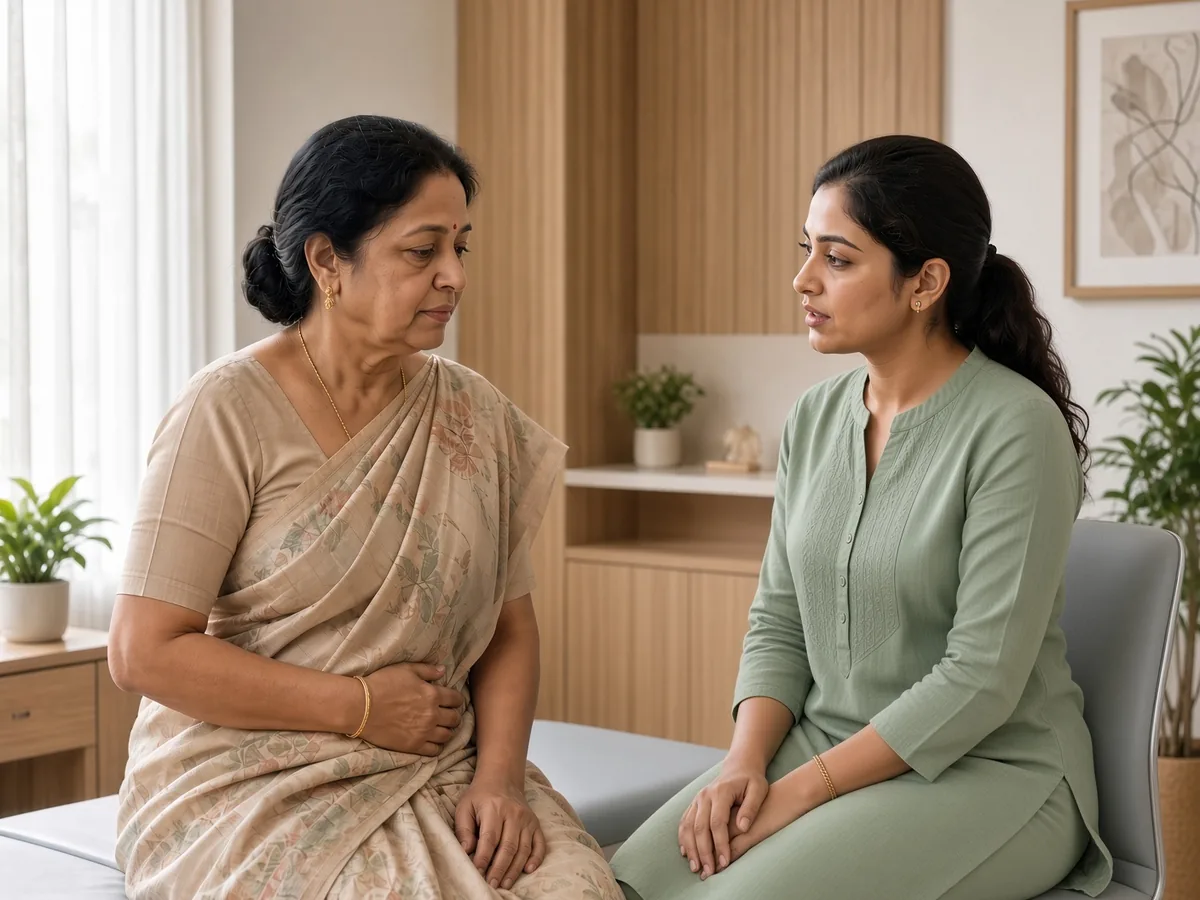
Three Types of IBS. One Integrated Approach.
IBS isn't one condition — it shows up differently in different people. Our program is structured to support all three main subtypes, with dietary guidance tailored to your specific pattern.
Diarrhoea-Predominant
Frequent, loose stools, urgency, and unpredictability that disrupts daily life. Often worsened by stress and certain foods. The dietary component focuses on reducing fermentable triggers and calming gut hypersensitivity.
Constipation-Predominant
Infrequent, difficult stools combined with bloating and abdominal discomfort. Often accompanied by a persistent sense of incomplete emptying. Dietary and movement interventions are most effective here.
Mixed Type
Alternating between diarrhoea and constipation — often the most frustrating subtype to manage. The integrative approach works well here because it addresses both motility and gut sensitivity simultaneously.
What Brings People to This Program
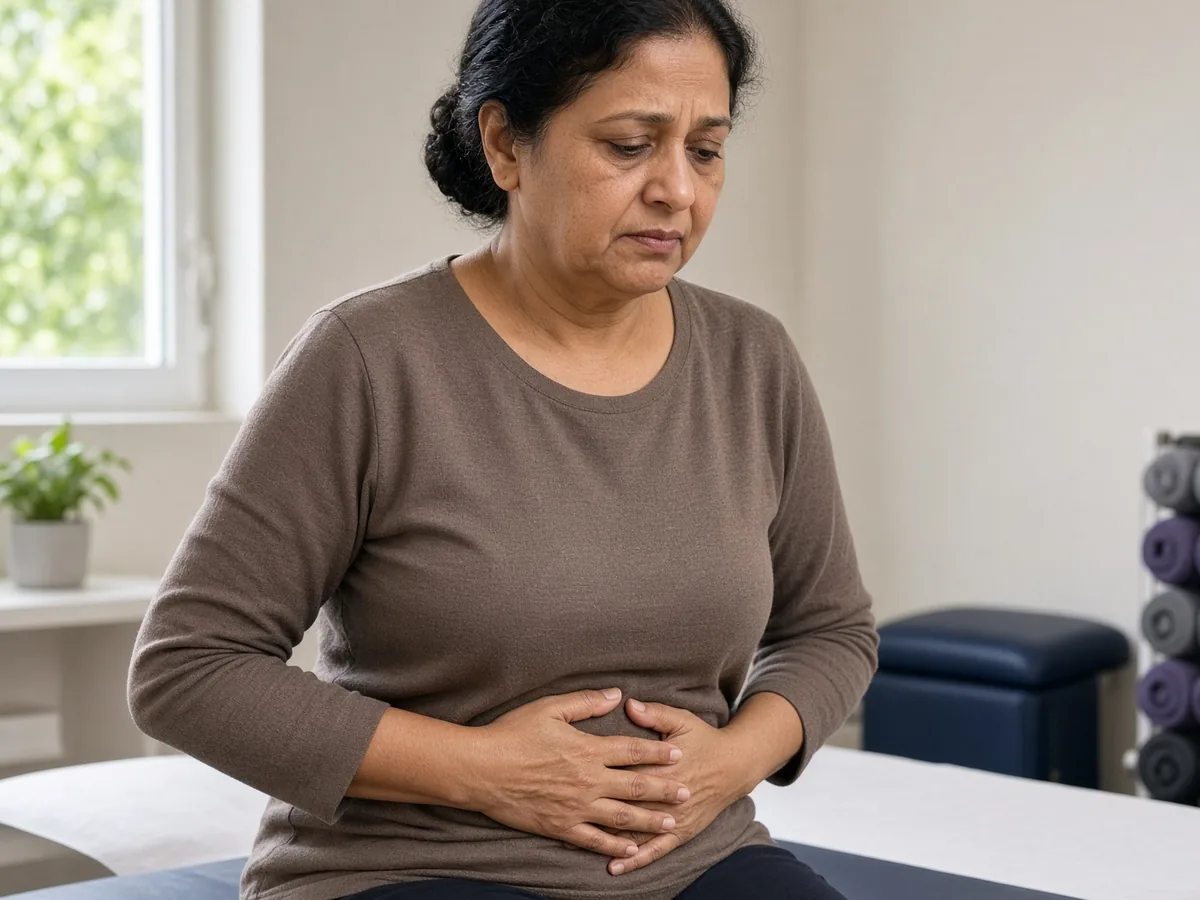
Persistent Symptoms
Bloating, cramping, urgency or irregular bowel habits for 3+ months
Medication Isn't Enough
Getting partial relief at best, or concerned about long-term medication use
Diet Confusion
Unsure which foods are triggering symptoms and what to eat instead
Stress Connection
Noticing symptoms worsen with stress — the gut-brain link is well documented
Avoiding Social Life
Skipping events, travel, or meals out because of unpredictable symptoms
Tests Are Normal
Investigations ruled out structural disease, but symptoms persist
What the Program Includes
Three evidence-informed therapies, structured into a 6-week protocol. Everything is delivered at our Somajiguda clinic by certified practitioners. The program runs in parallel — not sequentially — so the combined effect builds through the weeks.
Acupuncture
Administered by certified acupuncturists using single-use sterile needles. For IBS, acupuncture targets visceral hypersensitivity — the abnormal pain signalling in the gut that drives cramping and urgency — and supports the autonomic nervous system's role in bowel regulation. Sessions are tailored to your symptom pattern.
3 sessions/week (weeks 1–2) · 2 sessions/week (weeks 3–6) · 14 sessions totalDiet Guidance
Personalised by a certified dietitian. The dietary approach is based on low-FODMAP principles — identifying and reducing fermentable carbohydrates that are known to trigger symptoms — adapted to Indian dietary patterns and your specific IBS subtype. This isn't a generic diet sheet; it's built around what you actually eat.
Once every 15 days · 3 consultations totalTherapeutic Yoga
Specific asanas, pranayama and breathwork that support gut motility, reduce visceral sensitivity, and address the stress-IBS connection. The gut-brain axis is a real physiological pathway — the vagus nerve connects the two directly — and therapeutic yoga is one of the few interventions that addresses both ends simultaneously.
2 sessions/week (weeks 1–2) · 1 session/week (weeks 3–6) · 6 sessions totalWeekly WhatsApp Review
Regular check-ins throughout the program to track symptom changes, adjust the diet plan if needed, and answer questions as they come up. IBS management requires responsiveness — symptoms shift, and the program should shift with them.
Weekly throughout the 6-week programHome Program
Personalised exercises, breathing techniques, and lifestyle adjustments you can do between sessions. The in-clinic work is more effective when it's reinforced at home — this component makes that possible without adding complexity.
Ongoing throughout the programSpeak with our team to understand if this program is right for you.
Realistic Outcomes from the Program
Results vary between individuals and between IBS subtypes. These are the outcomes that participants in structured IBS programs most consistently report — drawn from the clinical research that informs our approach.
Reduced abdominal pain — particularly cramping and the constant baseline discomfort that makes concentrating difficult
Less bloating and distension — especially with dietary changes in the first two weeks
More predictable bowel habits — reduced urgency for IBS-D, more regular movement for IBS-C
Better stress response — therapeutic yoga and breathwork directly address the gut-brain connection
Clearer food picture — understanding which foods trigger your symptoms and which are safe
Improved quality of life — less avoidance, more confidence in social and professional settings
The Research Behind the Approach
This program isn't built on anecdote. Each of the three therapeutic components is supported by peer-reviewed clinical evidence. The references below are published in indexed journals and accessible via PubMed.
Acupuncture improves quality of life and reduces symptom severity in IBS
A 2025 systematic review and meta-analysis published in PLoS ONE, covering multiple randomised controlled trials, found that acupuncture significantly improves both quality of life scores and overall symptom severity in IBS patients. The review also identified optimal parameters — 30-minute sessions, up to five times per week, over a 4-week course — which inform our session structure.
Acupuncture reduces visceral hypersensitivity — the main driver of IBS pain
A 2023 review in Frontiers in Neuroscience examined the neurological mechanism through which acupuncture reduces IBS pain. Visceral hypersensitivity — abnormal pain processing in the gut — is the primary driver of abdominal discomfort in IBS. The review confirmed acupuncture's role as an effective adjuvant therapy targeting this pathway.
Low-FODMAP dietary intervention consistently reduces IBS symptoms
A 2026 umbrella review in Frontiers in Nutrition analysed 192 studies and confirmed the low-FODMAP diet as the best-evidenced dietary intervention for IBS symptom reduction. A 2024 meta-analysis found the low-FODMAP diet produces significant IBS-SSS score reductions compared to control diets. The American Gastroenterological Association (AGA) endorses dietary intervention as a first-line approach for IBS management.
In-person yoga is effective for IBS symptom management
A 2025 systematic review in Comprehensive Physiology covering 10 studies found that yoga — particularly asana and pranayama-based programs — improves IBS symptoms, reduces visceral sensitivity, and improves quality of life. A 2024 feasibility study found 90% of participants would recommend yoga for IBS, with 80% continuing practice at a 6-month follow-up.
What People Ask Before Joining
The program is designed for IBS-D (diarrhoea-predominant), IBS-C (constipation-predominant), and IBS-M (mixed type). The dietary component is tailored to your specific subtype, since trigger foods and management strategies differ significantly between them.
No. This program is complementary — it works alongside your existing medical treatment, not instead of it. Do not stop any prescribed medication without your gastroenterologist's advice. We coordinate our approach around your current treatment.
Most participants notice dietary changes within the first two weeks as trigger foods are identified and reduced. Acupuncture effects on pain and urgency typically accumulate over the first 3–4 weeks. The full program effect is usually most apparent by the end of week 6. We track symptoms throughout to monitor progress.
The diet consultations, yoga sessions, and weekly WhatsApp reviews can be conducted online via Google Meet. Acupuncture requires in-clinic attendance at our Somajiguda centre. If you're based outside Hyderabad, reach out and we can discuss what a partially remote version of the program might look like for your situation.
A 20–30 minute conversation with our team — in person or via Google Meet. We ask about your symptoms, history, current treatment, and what you've tried before. The goal is to understand whether this program is genuinely a good fit for you. There's no pressure to sign up. If it's not the right approach for your situation, we'll tell you.
Other Programs That May Help
Acupuncture for Pain
General acupuncture for chronic pain and musculoskeletal conditions
Therapeutic Yoga
Evidence-based yoga for chronic conditions, stress and pain management
Holistic Diabetes Management
Nutrition, exercise and acupuncture for blood sugar management
Gua Sha Therapy
Traditional therapy for tension, lymphatic drainage and pain relief
Ready to Take Back Control?
Free consultation — in-person at Somajiguda or online via Google Meet. No pressure, just an honest conversation about whether this program is right for you.
Book a Free ConsultationBook a Free Consultation
Speak with our team to understand if this program is right for you.
Opens WhatsApp instantly
We'll call you within a few hours