Varicose Veins:
Conservative Care for Symptom Relief
Varicose veins affect 1 in 4 adults — causing aching, swelling, heaviness, and progressive vascular deterioration. Surgery isn't the only option. A structured conservative program combining physiotherapy, acupuncture, dietary guidance, and compression therapy can help ease symptoms — without any injection or incision.
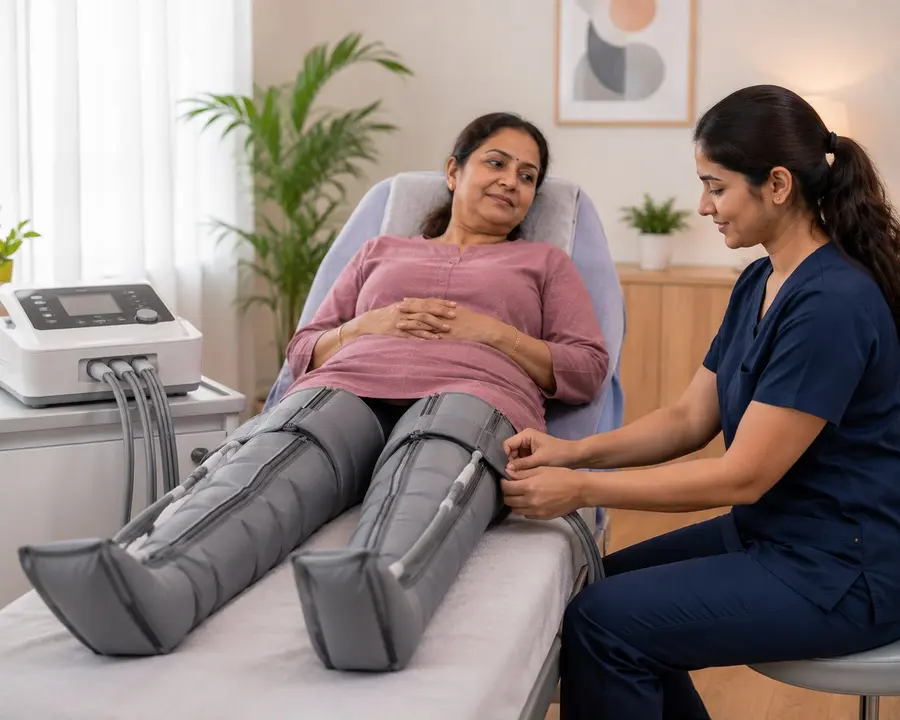
What Are Varicose Veins?
Varicose veins develop when the one-way valves inside leg veins weaken or fail, letting blood pool instead of flowing efficiently back to the heart. The result is enlarged, twisted, visible veins — and a range of symptoms from aching legs to chronic venous insufficiency if left unmanaged.
They're very common in India, particularly among people who stand or sit for long hours — teachers, IT professionals, healthcare workers, and homemakers are among the most affected. Pregnancy significantly raises risk due to increased blood volume and uterine pressure on the pelvic veins.
Four Pillars of Conservative Management
Physiotherapy
The calf muscles act as a pump for venous return. Strengthening and activating them may help improve blood flow in the legs.
- Calf pump exercises (ankle pumps, heel raises)
- Progressive walking programs
- Leg elevation techniques
- Postural correction for standing workers
- Movement break protocols for desk workers
Acupuncture
Acupuncture may help with the aching and heaviness associated with varicose veins.
- May improve local circulation
- May ease aching and heaviness
- Used alongside compression and exercise
- May help with night cramps
Diet & Nutrition
Diet plays a direct role in vein health through its impact on inflammation, fluid retention, and vascular wall integrity.
- Anti-inflammatory diet (reduce refined carbs, increase omega-3s)
- Foods rich in bioflavonoids — amla, citrus, berries, onion
- Adequate hydration to reduce blood viscosity
- Reducing salt to minimise fluid retention and swelling
- Fibre intake to prevent constipation (straining worsens veins)
Compression Therapy
Medical-grade compression stockings are a well-supported conservative option for varicose veins — helping to reduce symptoms when worn correctly.
- Correct compression grade selection (15–40 mmHg)
- Guidance on wearing schedule and duration
- Advice on fitting and care
- Monitoring response and adjusting grade over time
Varicose Veins FAQ
Yes — by improving calf muscle pump function. The calf muscles are responsible for pushing blood from the legs back toward the heart. When they are weak or inactive (from prolonged sitting or standing), venous pressure increases and varicosities worsen. Targeted calf strengthening and walking programs can help reduce symptoms.
For mild to moderate varicose veins, conservative management is the recommended first approach and often helps control symptoms. Surgery (or laser/sclerotherapy) is recommended when veins are causing significant complications — bleeding, ulceration, thrombosis — or when conservative treatment has been completed and symptoms remain unacceptable. Your vascular doctor will advise if and when a procedure is needed.
Yes. Pregnancy-related varicose veins are very common and very manageable conservatively. We use pregnancy-safe exercises, compression guidance, dietary advice, and appropriate acupuncture protocols (avoiding contraindicated points). Many pregnancy-related varicosities improve after delivery, and the right management can help.
Compression stockings during work, calf movement breaks every 30–45 minutes (ankle circles, heel raises), elevation of legs during rest periods, and proper footwear can all help reduce the impact of prolonged standing. We design a specific protocol for your work schedule.
Manage Your Veins Before They Manage You
A consultation tells you exactly where you are and what a realistic conservative program looks like for your specific situation.