Non-Surgical Support for Pain —
Alongside Your Medical Care
Physiotherapy, acupuncture, acupressure, and therapeutic massage work on what may be driving your pain — not just where it hurts. Whether it's back pain, neck pain, joint pain, headaches, or postpartum body ache, the treatment plan is built around your specific situation.
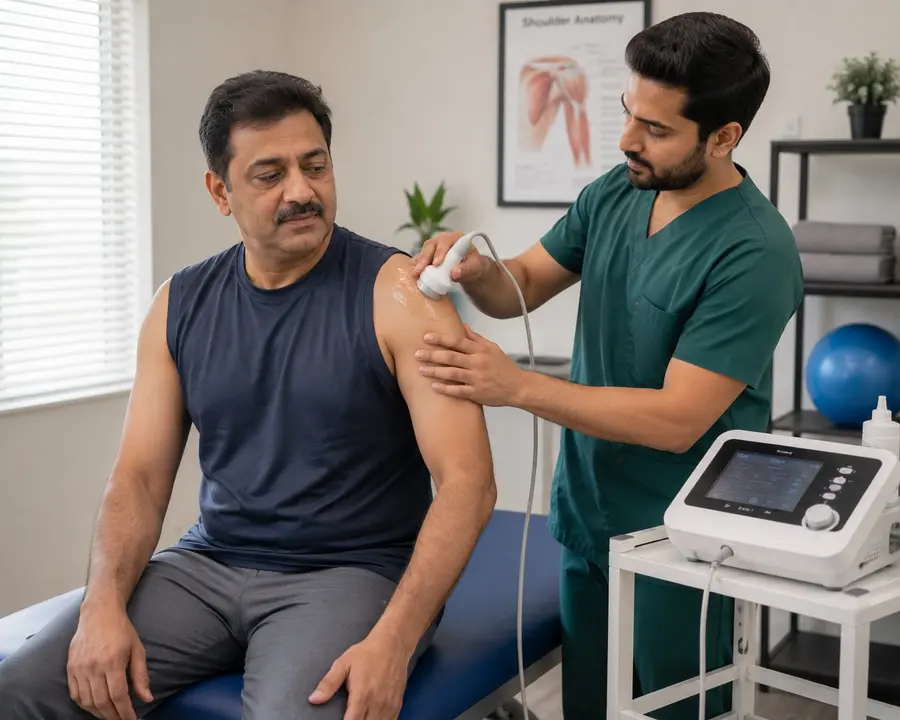
Which Pain Brings You Here?
Our physiotherapists, acupuncturists, and massage therapists work together on each type of pain — using whichever combination of techniques the evidence supports for that condition.
Back & Spine Pain
Lower back pain, upper back stiffness, disc-related pain, and postural back ache — among the most common reasons people seek physiotherapy worldwide.
Neck & Shoulder Pain
Tech neck, desk posture strain, cervical stiffness, frozen shoulder, and rotator cuff issues — increasingly common in working professionals.
Joint & Knee Pain
Knee pain, hip pain, shoulder joint stiffness, and general joint aching — often worsened by inactivity, weight, or age, but may respond to physiotherapy.
Pelvic & Period Pain
Chronic pelvic pain, painful menstruation (dysmenorrhea), endometriosis-related pain, and pain during or after intimacy — all with non-surgical options that may help.
Headaches & Migraines
Tension headaches, cervicogenic headaches (from neck dysfunction), and migraine frequency and intensity — all of which can respond to physiotherapy and acupuncture.
Ankle & Foot Pain
Plantar fasciitis, ankle sprains and instability, heel pain, and Achilles tendinopathy — conditions that limit daily movement and respond well to targeted physiotherapy.
Repetitive Strain & Desk Pain
Wrist pain, elbow pain (tennis/golfer's elbow), forearm tension, and thoracic stiffness from prolonged screen time — highly common in IT professionals and desk workers.
Fibromyalgia & Chronic Pain
Widespread body pain, sensitivity to touch, fatigue-linked pain, and conditions where no single structural cause is found — managed with a whole-body, integrative approach.
How Physiotherapy Works Alongside Medication
Pain medication prescribed by your doctor has an important role. Physiotherapy and acupuncture add something different: they work on movement, strength and the muscles, joints and nerves involved in your pain.
How We Treat Pain at Ataha Wellness
We don't use a single approach for every condition. Our team selects and combines the modalities with the strongest evidence for your specific type of pain.
Physiotherapy
Manual therapy, joint mobilisation, soft tissue techniques, and prescribed therapeutic exercise — a core treatment for musculoskeletal pain.
Acupuncture
Stimulates natural pain-relief pathways, reduces inflammation, and improves circulation. May help with chronic pain, headaches, and nerve-related pain.
Acupressure
Targeted pressure on specific points to release tension, improve energy flow, and provide pain relief without needles — ideal for those who prefer a needle-free option.
Therapeutic Massage
Deep tissue, myofascial release, and trigger point therapy — addressing muscle tension, adhesions, and restricted fascia that contribute to pain.
Cupping Therapy
Creates suction to increase blood flow, loosen myofascial restrictions, and reduce localised pain — may help with back and shoulder pain.
Exercise Therapy
Specific, graded movement programs that strengthen the structures around a painful area — one useful long-term pain management tool.
What to Expect
Thorough Assessment
We spend time understanding your pain history, when it started, what makes it better or worse, and how it affects your daily life. This is not a 5-minute appointment.
Clear Diagnosis & Explanation
We explain what we think is driving your pain in plain language — no jargon. You'll leave the first session understanding our findings and the plan.
Personalised Treatment Plan
A structured program combining the right modalities for your condition — with realistic timelines and measurable milestones, not open-ended sessions.
Ongoing Progress Reviews
We reassess at every visit. If something isn't working, we change it. You always know where you are in your recovery and what comes next.
Pain Management FAQ
Both — and in many cases it can reduce pain substantially. Physiotherapy addresses the mechanical cause of pain (muscle imbalance, joint restriction, nerve sensitisation, poor movement patterns). For many conditions, a structured physiotherapy program can help reduce pain over the longer term, not just give temporary relief. For complex or degenerative conditions, it can help reduce pain and improve function.
Acupuncture stimulates the nervous system to release endorphins and enkephalins — the body's natural pain-relief chemicals. It may also reduce local inflammation, improve blood flow to painful areas, and influence pain signals in the central nervous system. It may help with chronic pain, tension headaches, and musculoskeletal conditions.
Acute pain (recent onset, clear cause) often responds within 4–6 sessions. Chronic pain — present for months or years — typically needs 8–12 sessions to achieve lasting change. We give you a realistic estimate at your first session and reassess regularly.
Yes — our treatment is complementary to medical management, not a replacement for it. We work alongside orthopaedic specialists, neurologists, gynaecologists, and GPs. If you're on medication or have had imaging done, bring those details to your first session.
Exercise therapy programs, postural coaching, ergonomic advice, and follow-up sessions are available online via Google Meet. Hands-on treatments (manual therapy, acupuncture, massage) require in-person sessions at our Somajiguda clinic.
Our pain management services are open to everyone. While Ataha Wellness specialises in women's health, our physiotherapy, acupuncture, and pain management programs are available to all adults. The clinic's primary focus remains women's health conditions.
Your Pain Has a Cause.
We'll Help You Understand It.
Book a consultation at our Somajiguda clinic. Bring your scans, reports, and questions. We'll explain our assessment findings and build a plan to address it.